When it comes to industrial buildings, the roof is often the first thing people think about and for good reason. A strong, weatherproof roof protects your assets, your staff, and your investment. But there’s one component that is just as crucial, yet often overlooked: the gutters. And not just any gutters, properly installed gutter linings can make the difference between a smooth, maintenance-free building and a structure plagued by leaks, corrosion, and expensive repairs.
Whether you're protecting a new structure or upgrading an older facility through professional refurbishment services, understanding gutter linings is essential for warehouse managers, property owners, and facilities professionals alike. In this guide, we'll take you through everything you need to know, from what they are and the problems they solve, to installation methods, benefits, and how to choose the right system for your industrial building.
Importance of Gutters in Industrial Buildings
Industrial buildings aren’t like homes. They’re larger, often with flat or low-slope roofs, heavy machinery inside, and sometimes sensitive storage environments. A blocked, leaking, or poorly constructed gutter can have devastating consequences:
- Water ingress into the building causing structural damage
- Rust and corrosion to steel frameworks
- Damage to insulation and cladding systems
- Safety hazards from overflowing water on walkways or loading docks

In many cases, gutter problems start small, like a minor leak or rust spot but when left unchecked, they escalate into costly repairs. That’s where gutter linings come in.
What Are Gutter Linings?
Gutter linings are protective systems installed inside your existing gutter structure to prevent leaks, improve water flow, and extend the life of your gutters.
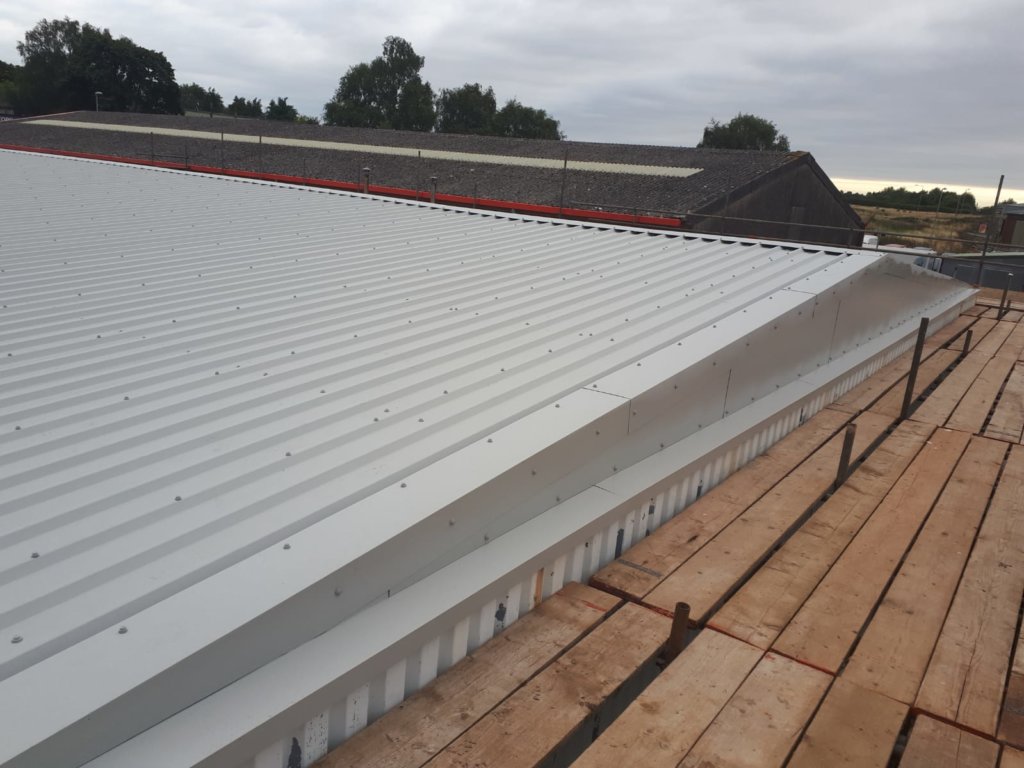
Unlike full replacements, gutter linings seal the interior of the gutter without major demolition or roof disturbance.
They are particularly useful in industrial buildings with:
- Box gutters: Large, often flat gutters prone to standing water
- Aging metal gutters: Susceptible to corrosion and rust
- Difficult-to-access areas: Where full replacement is disruptive or costly
Essentially, gutter linings act as a durable waterproof barrier, allowing gutters to perform their primary job, directing rainwater safely away from your building—year after year.
Common Gutter Problems in Industrial Buildings
Understanding the challenges gutter linings solve is key to appreciating their value. Industrial buildings face unique issues compared to residential properties. Recognising early warning signs of commercial roof problems can help you address gutter issues before they escalate into major repairs.
Corrosion and Rust
Steel or metal gutters exposed to constant moisture, chemicals, or debris are prone to rust. Over time, rust can create holes, weak points, and eventual gutter failure. Regular maintenance and repair services can identify corrosion early and prevent costly damage.
Standing Water
Flat roofs and box gutters often suffer from poor drainage, leading to standing water. This increases pressure on the gutter, accelerates corrosion, and can even lead to roof leaks. For persistent drainage issues, consider flat to pitch roof conversions that eliminate standing water problems entirely.
Joint Leaks
Older industrial gutters may have multiple welded or riveted joints. These points are susceptible to leaking as seals degrade over time.
Debris and Blockages
Factories, warehouses, and industrial yards generate dust, debris, and sometimes chemical residue. Over time, gutters can become clogged, which leads to overflow and water damage to walls, cladding, and foundations.
Types of Gutter Lining Systems
Gutter linings come in several types, each suited to different building requirements, budgets, and gutter conditions.
Liquid-Applied Gutter Linings
These are applied as a liquid coating, usually resin-based, that forms a seamless waterproof barrier. They’re excellent for irregularly shaped gutters, ensuring complete coverage and minimal joint issues.
Pros:
- Seamless and flexible
- Quick installation
- Durable against corrosion
Cons:
- Requires a clean gutter surface
- Some products may need curing time
GRP (Glass Reinforced Plastic) Linings
GRP linings involve a fiberglass layer applied inside the gutter with resin. They form a rigid, waterproof surface that is extremely durable.
Pros:
- Long lifespan
- Resistant to UV, chemicals, and corrosion
- Minimal maintenance
Cons:
- More expensive upfront
- Requires skilled installation
EPDM / Rubber Membrane Linings
EPDM (ethylene propylene diene monomer) is a flexible rubber membrane that lines the gutter interior. It’s ideal for flat or low-slope box gutters.
Pros:
- Flexibility accommodates thermal movement
- Quick and relatively easy to install
- Resistant to water and weather
Cons:
- Can be punctured if debris isn’t cleared regularly
- May need occasional resealing at edges
Benefits of Installing Gutter Linings
Now that you know the types, let’s explore why they’re essential for industrial buildings.
Prevents Leaks and Water Damage
Gutter linings create a sealed interior, preventing leaks that can damage walls, cladding, and foundations.
Extends Gutter Lifespan
Older gutters can be reinforced instead of replaced. Linings reduce exposure to water and corrosion, extending the life of your existing system. Learn more about proven strategies to extend your commercial roof's lifespan through preventative maintenance.
Cost-Effective Solution
Compared to full gutter replacement, linings reduce labor, materials, and downtime, making them highly cost-efficient. This principle applies to building refurbishment projects as well, where strategic upgrades often outperform complete replacements.
Minimal Disruption
Installation usually doesn’t require scaffolding or roof removal, which means your industrial operations continue uninterrupted.
Improves Drainage Performance
A properly lined gutter ensures consistent water flow, reducing the risk of overflow and standing water.
Gutter Lining vs Full Gutter Replacement
Many industrial property owners ask: “Why not just replace the gutters?” Here’s a quick comparison:
| Factor | Gutter Lining | Full Replacement |
|---|---|---|
| Cost | Lower upfront | Higher upfront |
| Installation Time | Faster | Longer, disruptive |
| Durability | Extends existing gutter life | Long-term new system |
| Disruption | Minimal | Significant, may require roof work |
| Suitability | Older gutters in fair condition | Severely damaged or outdated gutters |
If you're unsure which option is right for your facility, our team offers comprehensive maintenance assessments to help you make informed decisions about your industrial roofing and gutter systems.
Signs Your Industrial Gutters Need Relining
Not sure if your gutters need attention? Watch for these indicators:
- Frequent leaks or water staining on walls
- Overflow during rainfall
- Rust, corrosion, or pitting in metal gutters
- Internal damp spots or mold near roof edges
- Sagging or uneven gutter sections
Gutter maintenance is particularly critical before harsh weather seasons. Read our guide on preparing your roof for winter to learn how seasonal maintenance can prevent emergency repairs.
Installation & Safety Considerations
Installing gutter linings in industrial buildings isn’t just about applying a coating. Safety and precision are critical:
- Professional assessment: Evaluate gutter condition, pitch, and drainage
- Working at height: Industrial roofs require fall protection and PPE
- Surface preparation: Gutters must be clean, dry, and free from rust or debris
- Compatibility: Ensure lining material is suitable for existing gutter metal and cladding systems
Tip: Attempting DIY lining on industrial gutters is risky and often ineffective. Professionals ensure long-lasting performance and compliance with safety regulations. Roofing specialist contractors like TekClad bring the expertise and safety protocols essential for industrial installations.
Why Choose a Roofing Specialist Contractor
Not all gutter lining companies are created equal. Here’s why you should choose a roofing specialist contractor for industrial buildings:
- Experience with large-scale, flat, or box gutters
- Knowledge of materials compatible with cladding and roofing systems
- High-quality installation with long-term warranties
- Maintenance plans to ensure gutter performance year after year
- Comprehensive health and safety protocols that protect both workers and your facility during installation
A professional contractor doesn’t just install linings—they provide peace of mind. TekClad is a MCRMA member and NFRC Gold Award winner with over 15 years of experience in industrial roofing. Learn more about our credentials and industry accreditations.
Maintenance Tips for Lined Gutters
Even with gutter linings, regular maintenance is key:
- Clear debris quarterly, especially after storms
- Inspect joints and edges for wear or lifting
- Check downpipes and outlets to ensure unobstructed flow
- Schedule a professional inspection every 2–3 years
Proper maintenance maximizes the lifespan of your lining and protects your building investment. While maintaining gutters, it's also wise to inspect other roof components that impact drainage and building protection, such as roof lights, which can develop leaks if not properly maintained.
The Long-Term Value of Gutter Linings
Gutter linings aren’t just a quick fix, they’re an investment in the longevity and safety of your industrial building. Here’s what they deliver long-term:
- Protection against leaks and water damage
- Reduced maintenance and repair costs
- Extended lifespan of your gutters and roof
- Safer environment for staff and operations
- Compliance with building and fire safety regulations
- Potential contributions to improved building energy efficiency and EPC ratings
Ultimately, gutter linings pay for themselves many times over by preventing costly issues before they arise.
In industrial buildings, gutters are more than just water channels—they’re a critical line of defense for your structure, your equipment, and your people. Gutter linings offer a practical, cost-effective solution that prevents leaks, extends the life of your gutters, and ensures smooth operation of your facility.
Ignoring gutter issues might seem harmless—until a storm hits, or corrosion causes a major leak. By proactively investing in gutter linings, you safeguard your building and your business.
If you haven't inspected your gutters recently, now is the time. Contact TekClad's professional team to assess your system, recommend the right lining type, and protect your industrial property for years to come.
LATEST POSTS